
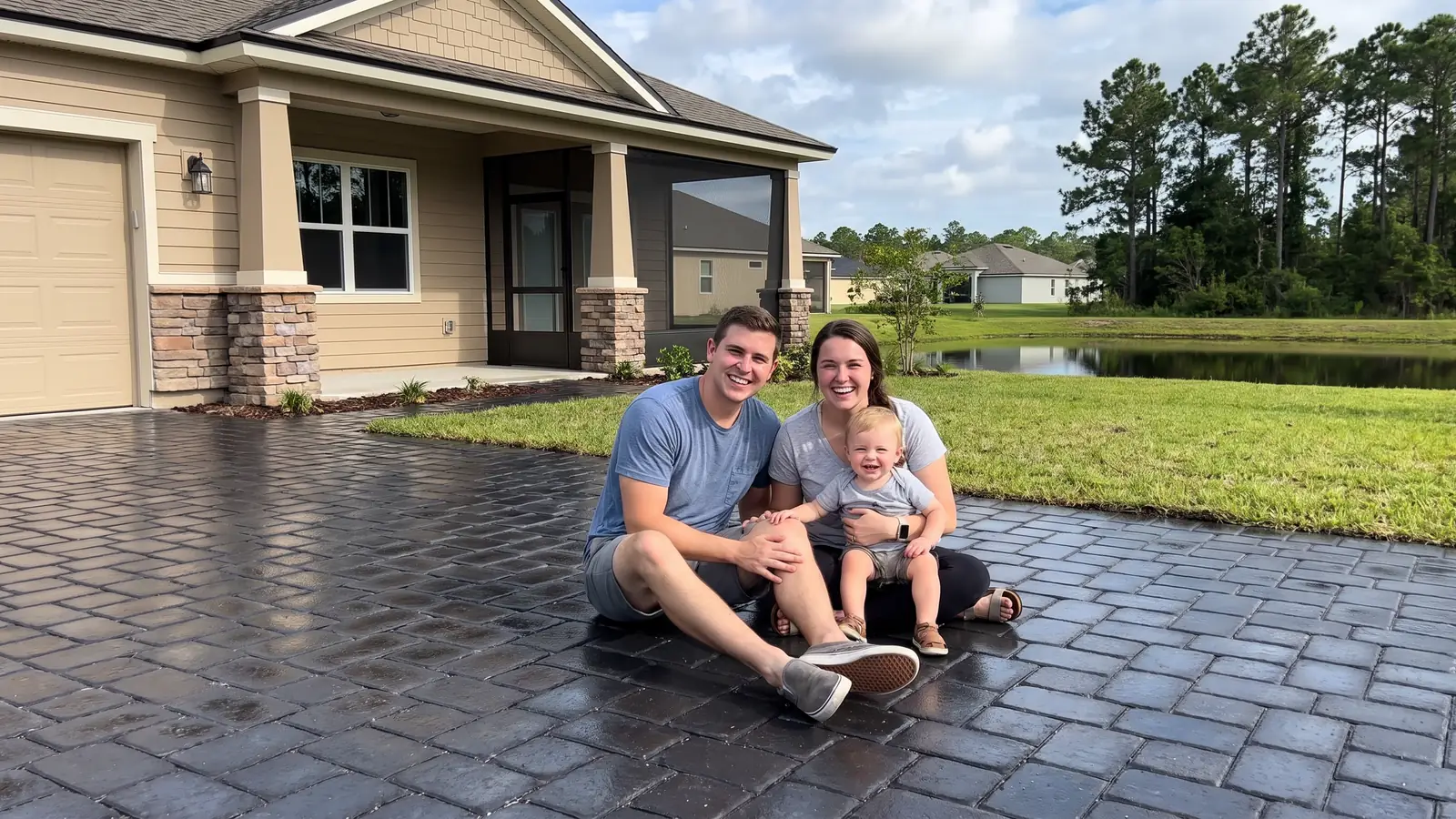
Deeper color and joints that stay put
Paver Sealing in Oceanway, FL
Free paver sealing estimates for Oceanway driveways, patios and pool decks start with a call to (904) 467-7129.
- Brings out deeper paver color
- Fresh joint sand helps lock pavers in place
- Gives weeds less room to grow
- Makes the surface easier to keep clean
- Free estimate, no obligation
Request a Free Estimate
Free, no obligation.
Who can seal pavers at my Oceanway home?
A local contractor seals pavers throughout Oceanway, FL, and you will hear back within 1 business day, usually much sooner. The estimate is free, and booking is up to you. To begin, call (904) 467-7129.
Sealing deepens the color of your pavers, keeps joint sand where it belongs and makes pollen, dirt and mildew easier to rinse away. Picture the driveway in front of your house after a long, humid summer, gray at the edges and sandy at the seams, turned dark and even again with every joint packed. Driveways take tires and oil, while pool decks take splash and bare feet, so each area gets its own plan. Point out how you use each one when you ask for your free estimate.
Paver Sealing Oceanway Is Proud to Serve Northeast Florida
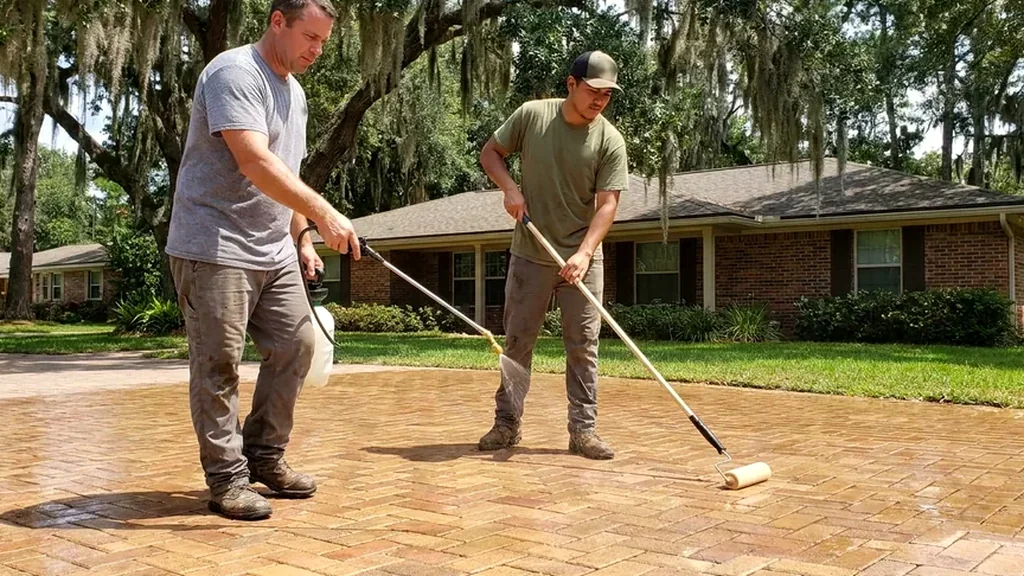
What is included when pavers are sealed in Oceanway?
Plan on four parts: a walk-through, a deep clean, fresh joint sand and the sealer coat. Cleaning usually takes the most time. To go over them for your home, call (904) 467-7129.
Walk-through
Square footage, sunken spots, broken pavers, old sealer and standing water all get noted before a price is set.
Deep clean
Mildew, pollen, rust and dirt come off with cleaners made for concrete pavers and a controlled wash.
Joint sand
Kiln dried joint sand fills every gap so the pavers lock together and weeds have less room.
Sealer coat
The sealer goes on fully dry pavers in thin, even passes at the rate on the product label.
How can I tell my pavers need sealing?
Look for color that has gone chalky, joints sitting below the paver edges, sand spread across the driveway after a storm and water that soaks in instead of beading. A Jacksonville paver company that uses Trident sealers says water that soaks in fast means a fresh coat is due. Topping off sand early is cheaper than relaying pavers that have moved. For a quick opinion, call (904) 467-7129.
Which paver sealer works well in Jacksonville humidity?
No one product fits every home, so ask the contractor which sealer they plan to use and why. One Jacksonville company works with Trident sealers in four finishes, from a high gloss wet look to a natural matte, plus a penetrating sealer for natural stone. Unilock, a paver maker, adds that solvent-based sealers tend to be a little more durable but need fully dry pavers and joints. To compare options for your pavers, call (904) 467-7129.
Sealers also come in two families. A film-forming product builds a coat on top, costs more and gives the wet look, while a penetrating product soaks in, costs less and needs renewing sooner, according to a 2026 Jacksonville price guide. That guide favors penetrating sealers around pools because a surface film can get slippery. Ask what goes on each area when you ask for your free estimate.
Wet look or natural finish: which suits my home?
Choose a wet look for dark, rich color with some shine, or a natural matte finish to keep the pavers close to how they looked new. Around a screened pool, footing matters more than shine, so a lower sheen is often the safer pick. In a neighborhood with an HOA, ask whether a high gloss needs approval. To see samples of both, ask for your free estimate.
How often should pavers be resealed in Oceanway?
Expect three to five years from most coats, says a 2026 Jacksonville price guide, which puts driveways and pool decks near three and shaded patios near five. A Jacksonville washing company calls two to three years typical, because full sun, pool chlorine and summer storms wear a coat down faster. Your own schedule depends on how much sun and traffic each area gets. To have your coat checked, call (904) 467-7129.
Will extra coats of sealer protect pavers longer?
No. A heavier coat is not a longer lasting coat. Unilock, a paver maker, links too many layers to patchy gloss, and a second coat added before the first one sets to a milky film. A thin, even coat at the label rate does the job, so if a quote sells three or four coats as extra protection, ask why before you ask for your free estimate.
When is a good time of year to seal pavers in Oceanway?
The forecast matters more than the calendar, but pollen season matters too. Across Jacksonville, the worst of the pine pollen typically lasts three to five weeks starting in late winter, and sealing over that yellow film locks it in. New pavers also need to wait out efflorescence, which Unilock says usually takes two to three months and can run up to a year. If your pavers went in recently, say so when you call (904) 467-7129.
Unilock asks for 24 to 48 hours of clear skies before sealing, up to 48 hours of dry weather after and temperatures between 50 and 90 degrees, with about 75 as the sweet spot. Pavers that are too hot can stain or peel early, and the sprinklers have to stay off while the coat cures. Jacksonville's summer storms can push a date back a few days. To pick a day that fits the forecast, ask for your free estimate.
Can sealing fix pavers that have sunk or spread apart?
No, a coat of sealer cannot raise a low paver or close a gap. Pavers that rock under a car or sit in a puddle after rain need their base repaired first, and joint sand only holds once they are level again. Ask whether leveling is in the price or quoted on its own when you ask for your free estimate.
Which areas around an Oceanway home can be sealed?
Driveways, screened pool decks, back patios and front walks can all take a coat. Each one wears differently, so the plan should change from one to the next. To begin with the spot you care about most, ask for your free estimate.
Driveways
Tires, oil drips and afternoon sun all land on the driveway first. Sealing the driveway matters most where cars turn and the joints loosen.
Screened pool decks
Splash water, chlorine and wet feet wear on pool pavers every day. Sealing a pool deck should never leave it slick underfoot.
Patios facing a pond or the woods
Back patios that look out on a pond or a stand of pines stay damp and catch needles, pollen and mildew. Those areas usually take the most scrubbing.
Front walks and entries
Entry walks pick up mulch, soil and drips from potted plants. Sealing the front walk is a small job that every visitor notices.
What causes paver trouble around Oceanway?
Five problems come up again and again on the Northside: pine pollen and needles, sand loss after storms, orange irrigation stains, damp edges near ponds and sun fading. Each one is cheaper to handle early. To find out which ones your pavers have, call (904) 467-7129.
1. Pine pollen and needles
Pine trees are largely behind the yellow coat that settles on cars and outdoor surfaces each spring, Jacksonville Today reported in 2026. Wet needles and leaves left in place can also stain, since Western Interlock, a paver maker, traces leaf stains to tannins.
2. Sand washing out after storms
A Jacksonville washing company says summer storms pull sand out of pool decks and driveways. Once the joints run low, pavers start to shift and weeds take root.
3. Orange marks from irrigation
The same company points to iron in well water and reclaimed irrigation as the cause of orange marks on concrete. More pressure only makes those marks worse, so they need a rust cleaner before any coat.
4. Damp edges by ponds and lawns
Pavers along a pond bank or inside a sprinkler zone stay wet for more of the day. In a county with a humid subtropical climate, that is all mildew needs to spread.
5. Fading on open driveways
A driveway with no shade takes sun from morning to evening, and unsealed color goes chalky first there. A Jacksonville washing company says full sun can push a reseal closer to every two years.
What does paver sealing cost in Oceanway?
Expect about $1.75 to $3.25 per square foot in Oceanway for the clean, sand and seal together, the range a Jacksonville washing company publishes. Size moves the rate, and a 2026 Jacksonville price guide lists $2.50 to $3.25 for areas under 300 square feet and $1.50 to $2.50 for an 800 to 1,200 square foot driveway. Stripping a failed coat adds $0.75 to $1.50 per square foot, and new joint sand adds $0.25 to $0.75. For a number written for your home, ask for your free estimate.
That same guide warns that bids under $1 per square foot usually mean prep steps are being skipped. If a number looks low, ask which steps it leaves out. To check a quote you already have against these ranges, call (904) 467-7129.
Only need a wash? See paver cleaning and joint sand, browse the towns covered or head back to Oceanway paver sealing.
| Paved area | Typical example | Clean, sand and seal |
|---|---|---|
| 300 sq ft | Small patio or walkway | $525 to $975 |
| 600 sq ft | Two car driveway | $1,050 to $1,950 |
| 1,000 sq ft | Large driveway or pool deck | $1,750 to $3,250 |
| 1,500 sq ft | Driveway plus pool deck | $2,625 to $4,875 |
Math based on the $1.75 to $3.25 per square foot that Northeast Florida paver companies published as of November 2026. Your contractor sets the actual price after seeing the surface. Repairs, leveling and stripping failed sealer are usually extra.
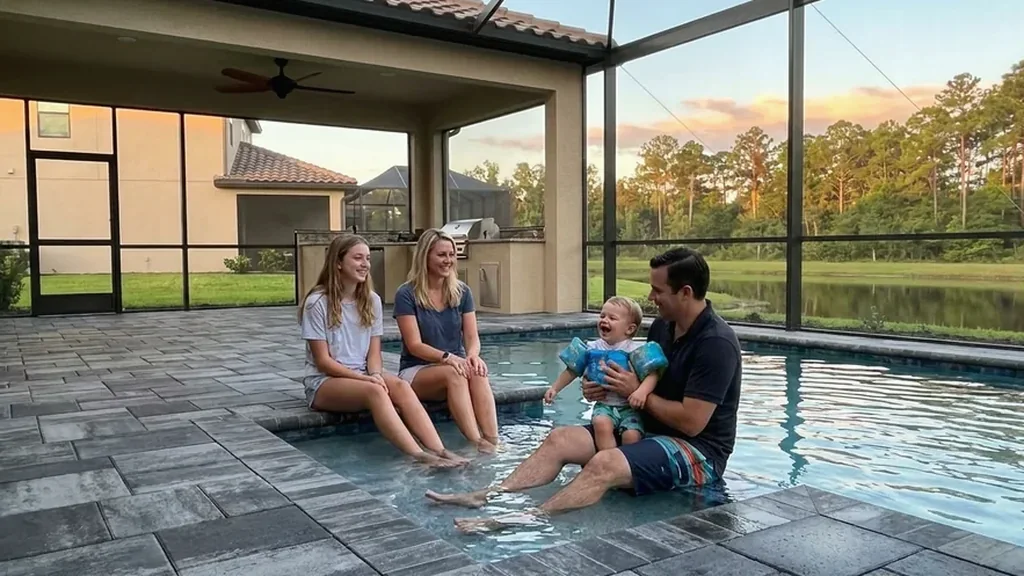
Why hire a contractor who works the Northside?
A contractor who works around Oceanway already plans for pine pollen, pond-side mildew and storm season. You still get the price in writing and time to decide. To begin, call (904) 467-7129.
Contractors who know the Northside
A company that covers Oceanway works around the same pine pollen, ponds and summer storms your pavers face. That makes the first visit more useful.
No charge to get a number
The visit and the estimate are free. If the price is not right for you, you owe nothing and can pass.
Rates you can check first
Jacksonville companies post what they charge per square foot, and this site shows those ranges. A quote far above or below them is worth a question.
Your timeline, your call
Get the price in writing and take as long as you need. The contractor standards page lists what to confirm before you sign.
Ready for a free paver sealing estimate in Oceanway?
Call or send the short form, and a reply comes within 1 business day, usually much sooner.
Free, no obligation
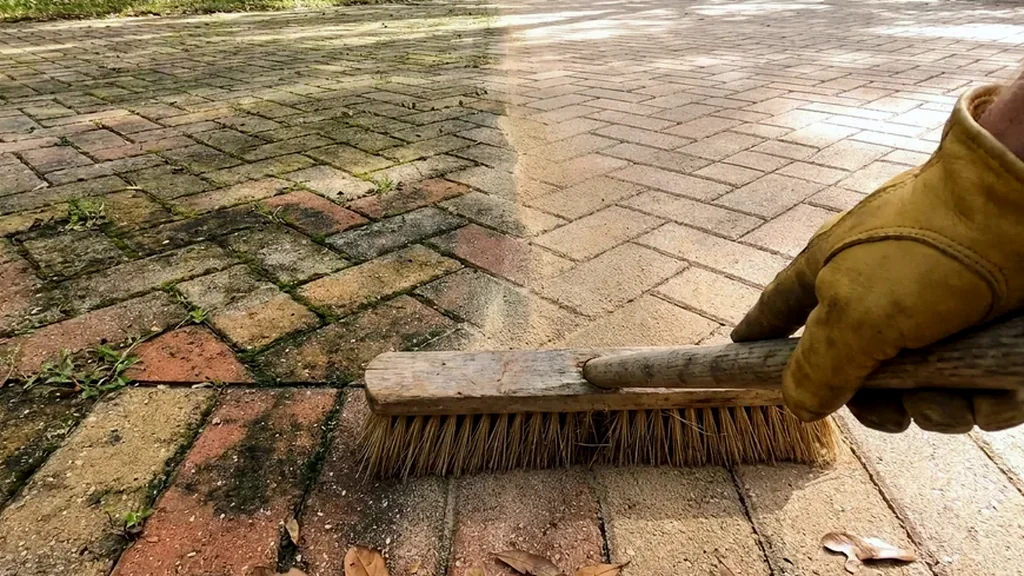
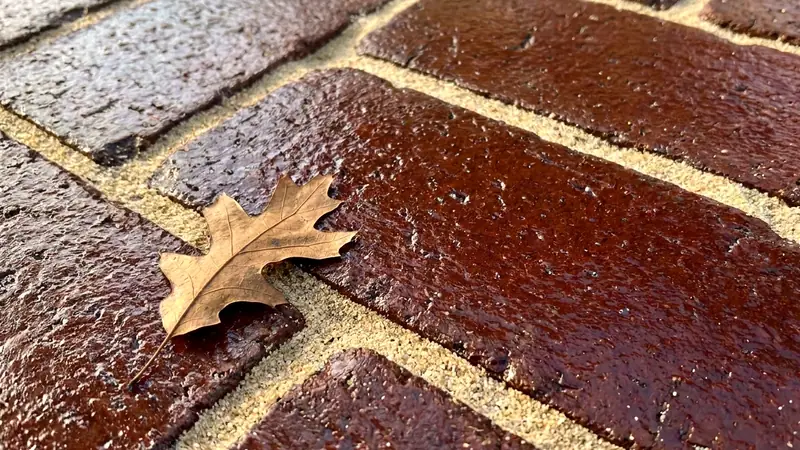
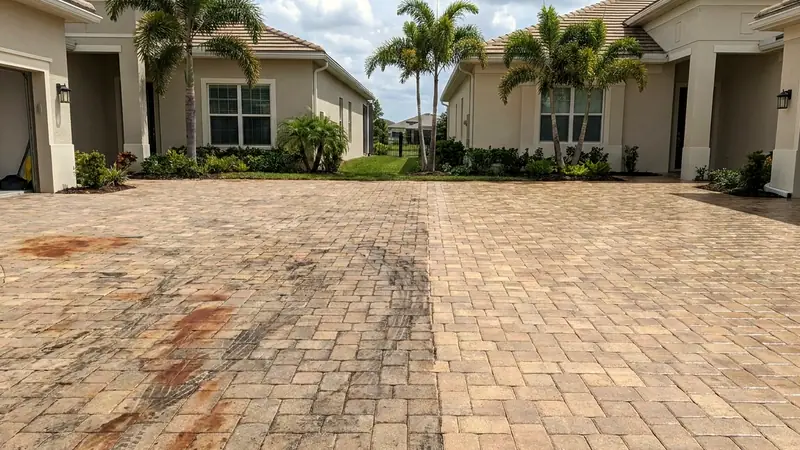
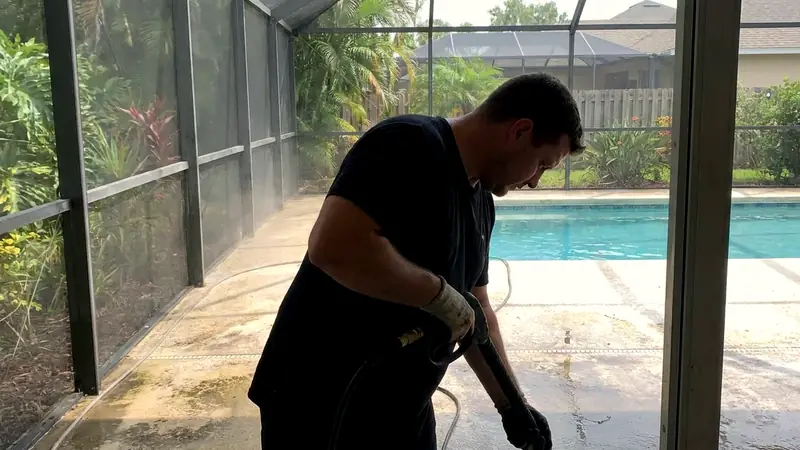
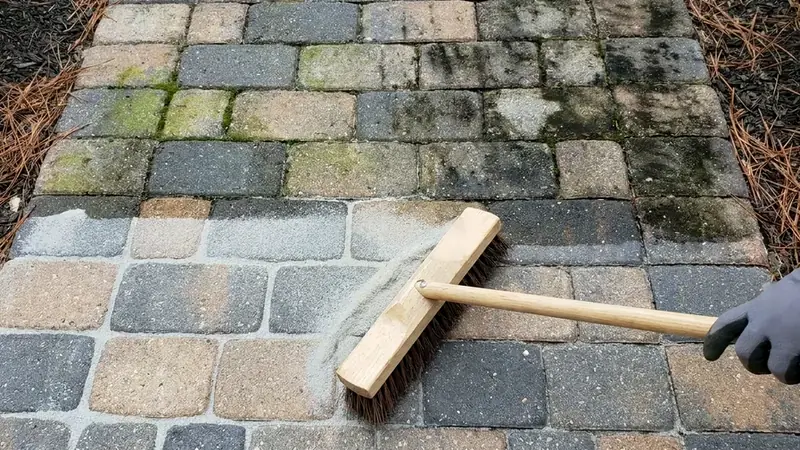
How do Oceanway pavers look after a fresh seal?
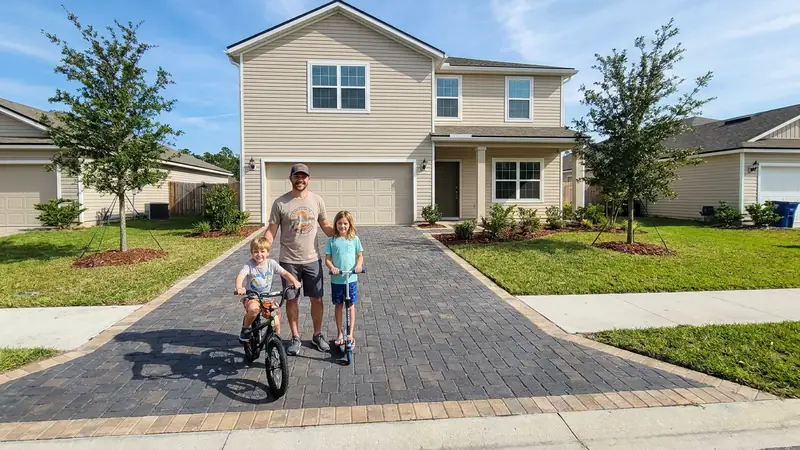
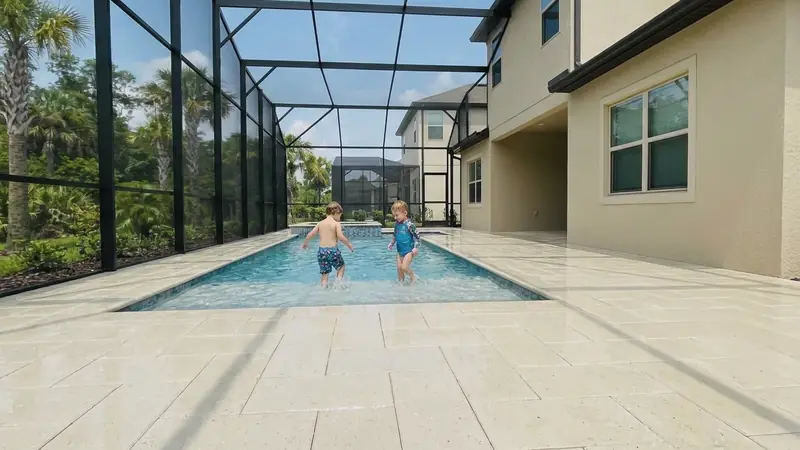
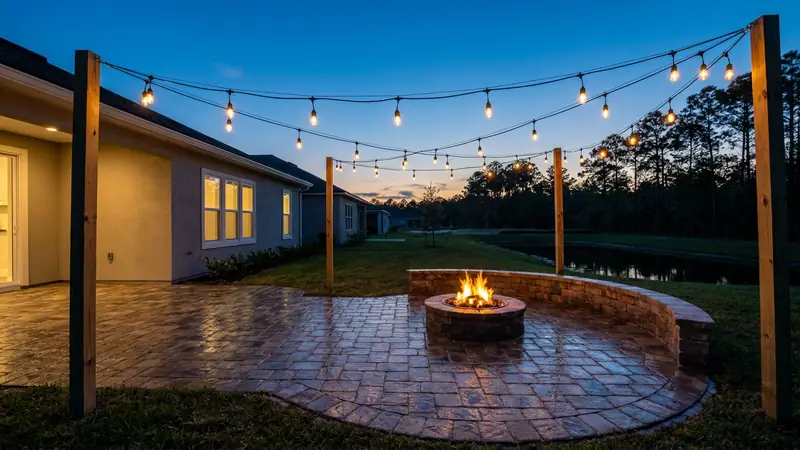
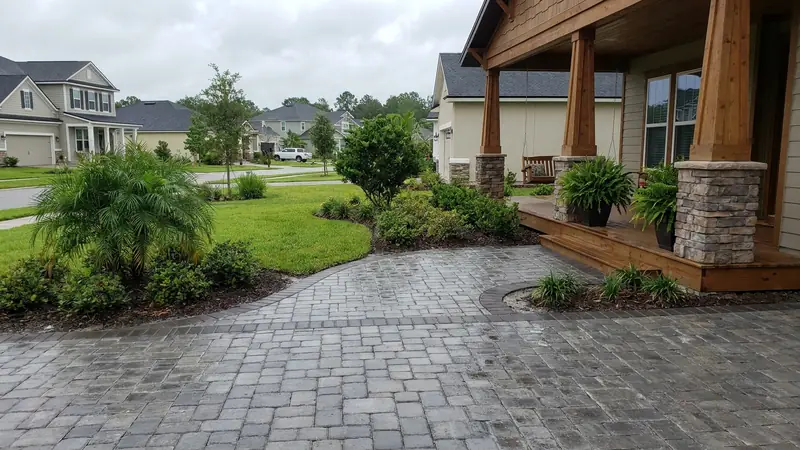
How does the paver sealing process work from start to finish?
Most jobs follow the same five steps, from the first look to the final walk-through. If you are ready to schedule, call (904) 467-7129.
1. Measure and look it over
The contractor measures the area for the sealing quote and notes dips, broken pavers, old sealer and any spot where water sits.
2. Protect and wash
Plants, screens and the garage door get covered, and the sprinklers go off. A rotary surface cleaner washes the pavers so the joint sand stays put.
3. Treat the stains
Rust, mildew, tannin and efflorescence each get a cleaner made for that stain, tried first on a small spot.
4. Refill the joints
Once the pavers are dry, joint sand is swept in, settled and topped off, and the extra is blown clear.
5. Seal and walk the job
When sealer is included, a pump sprayer lays it down and a roller evens it out. The contractor then walks the area with you and explains how long to keep feet and cars off.
Frequently Asked Questions
Why is paver sealing so expensive?
Most of the price pays for prep, not the sealer itself. A full job means washing, treating stains, refilling the joints, waiting for the pavers to dry and then laying the coat, and a Jacksonville washing company says empty joints or failed sealer turn it into a two-day restoration. A 2026 Jacksonville guide adds $0.75 to $1.50 per square foot when old sealer has to be stripped.
How long does sealer last on pavers in Florida?
Usually two to five years. A Jacksonville company that uses Trident sealers gives that range for Northeast Florida, depending on sun, traffic and prep. Pool decks and sunny driveways sit near the short end, and shaded walks near the long end.
How much is paver sealing in Florida?
In the Jacksonville area, a washing company publishes $1.75 to $3.25 per square foot to clean, sand and seal. For a 600 square foot Oceanway driveway, that works out to about $1,050 to $1,950. Repairs, stripping and extra joint sand can add to it.
Is there a downside to sealing pavers?
Yes, a few. Sealing is a repeat cost every few years, a glossy film can turn slick around a pool, and a coat put down on damp pavers can cloud over. Picking a dry stretch and a sealer suited to each area avoids most of that.
Is it better to spray or roll paver sealer?
Many contractors use both. Unilock, a paver maker, lists a sprayer or a foam or short nap roller, and a roller pass after spraying evens out puddles and drips. How even the coat ends up matters more than which tool laid it.
How often should a paver patio be resealed?
A shaded patio can often go about five years between coats, while one in full sun or beside a pool may need it closer to three, based on a 2026 Jacksonville price guide. Brick patios need a sealer made for brick, which that guide says can cost 15 to 30 percent more. Water soaking in fast is the sign the coat is spent.
When should I seal pavers in Oceanway to avoid pine pollen?
Aim for a dry stretch after the heaviest pine pollen has passed. Across Jacksonville the worst of it typically lasts three to five weeks starting in late winter, and a coat laid over that yellow film seals it in. A careful wash right before sealing clears whatever is left.
Can pavers next to a pond in Oceanway be sealed?
Yes. Ask how the contractor keeps wash water, cleaners and overspray out of the pond. The St. Johns River Water Management District says neighborhood stormwater ponds are built to hold and treat runoff, and an HOA usually maintains them.
How long should I stay off pavers after sealing?
Plan on a day or two. Unilock asks for up to 48 hours of dry weather while a coat cures, so keep cars off and the sprinklers shut for that window. The product label gives the exact times.